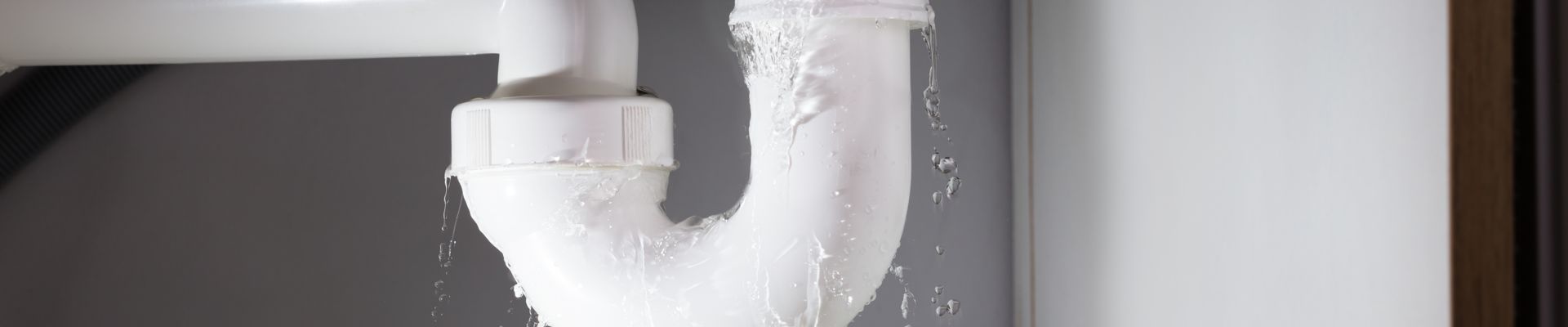
What Causes Plumbing Leaks?
Plumbing leaks stem from a range of factors that affect pipes and fixtures over time. Older pipes corrode and deteriorate naturally, and environmental conditions accelerate that process. Tree root growth around buried lines, temperature swings that cause pipe expansion and contraction, and chemical reactions between certain water types and pipe materials all contribute to leaks that develop gradually and often go unnoticed until damage is visible.
In Glendora specifically, the foothill terrain produces shifting soils that place stress on under-slab pipes, a recognized local risk factor for slab leak formation. The area’s hard water accelerates internal corrosion in older copper and galvanized lines, increasing the likelihood of pinhole leaks that eventually reach the slab. Thermal expansion from hot water cycling through pipes that rub against concrete is another documented cause, particularly in homes where the original installation left little clearance.
Additional causes of plumbing leaks include:
- Improper installation or poor-quality materials
- Shifting soil or ground movement that puts stress on underground pipes
- High water pressure that strains fittings and joints until they fail
- Seasonal temperature changes that cause pipes to expand and contract over time
Regular maintenance and prompt attention to early warning signs go a long way toward preventing serious failures. Annual inspections allow us to catch pipe deterioration before it progresses to a slab leak or a more extensive repair.
Slab & Concrete Leak Repair Options in Glendora
When a leak forms under a slab foundation or beneath concrete, the damage can spread quietly until you notice warm spots on floors, cracks in tile, or unexplained moisture. Slab and concrete leaks require a different approach than standard plumbing leak repair because access is limited and the surrounding structure needs to be protected. In many Glendora homes and commercial buildings, older piping combined with shifting soils makes these issues more likely over time, which is why a careful assessment always comes before any work begins.
Repair Method Options
Once we confirm a slab or concrete leak, we walk you through repair options that match the pipe’s condition, your budget, and how long you plan to stay in the property. Spot repair involves opening a small section of concrete at the exact leak location and replacing only the damaged pipe segment, which works well for isolated, localized failures. When multiple prior leaks have occurred or the pipe material is aging throughout, pipe rerouting abandons the failing under-slab segment entirely and runs new pipe through walls or attic space, which can reduce the chance of future slab disturbance on that line. Where damage is limited to pinhole leaks and the pipe diameter and condition allow it, epoxy pipe lining seals the leak from the inside without breaking the slab at all. We present each applicable option with a written estimate before any concrete is opened.
Permits, Planning, & Property Protection
Slab leak repairs in Glendora that involve pipe replacement under the slab or pipe rerouting require a plumbing permit from the City of Glendora. We handle that permitting and all required inspections so you don’t have to coordinate with the city on your own. Before any concrete is opened, we verify whether the affected line serves hot or cold water and which fixtures it feeds, so we can isolate the problem with as little disruption as possible. We also explain how noise, dust, and temporary loss of water service will be managed during the project, walk through how different repair options may affect flooring, landscaping, and access, and coordinate with any other contractors on the project so work is sequenced efficiently. Clear choices and timelines up front make it easier to decide which approach is the right fit for your home or business.
Types of Repairs We Offer
At Plumbing Buddies, our licensed and insured plumbers are trained to identify the source of a leak quickly and carry out effective repairs. We know that timely intervention is critical to preventing further damage, so we offer repair options tailored to what each situation actually calls for.
We go beyond fixing the immediate problem. Every visit includes an assessment of the broader system, with recommendations to address vulnerable areas and help reduce repeat issues. We customize our approach to your plumbing setup and use quality materials that hold up over time.
Our leak repair services include:
Our motto is “Do it once, do it right.” We communicate findings and repair options clearly, hold to high standards on every job, and keep disruption to your daily routine as minimal as possible.
When we visit a home or business in Glendora for leak repair, we also look for straightforward upgrades that can reduce the chance of future problems: replacing corroded shutoff valves, adding access panels where pipes are sealed behind finishes, or recommending pressure regulation when readings are consistently high. Because we handle everything from minor fixture leaks to full repipe projects, you don’t need to coordinate with multiple contractors as your needs change. Our technicians are trained to follow California plumbing codes, and that consistency gives us a clear record of past work on your property so we can recommend the most practical path forward if new problems appear later.
Our Leak Detection Process in Glendora Homes & Businesses
Knowing what to expect during a leak detection visit makes it easier to schedule service and prepare your property. When you call Plumbing Buddies, we start by asking detailed questions about what you’ve noticed: wet spots, sounds, changes in your water bill. On arrival, we perform a visual walkthrough of key areas, check accessible plumbing, and verify readings at your water meter to confirm whether an active leak is present. Working through these steps first helps us narrow down the most likely areas before we bring in electronic equipment, which reduces unnecessary disturbance inside your home or business.
Once we have a clear picture of where the problem may be, we use acoustic listening devices, infrared imaging, and pressure testing to pinpoint the exact leak location. Non-invasive methods like these minimize the need for exploratory demolition before we know exactly where to work. For properties in Glendora, Azusa, and Covina, we also factor in local building practices and foundation types when planning where to investigate, so we aren’t opening walls or floors without a clear reason. After the source is located, we present repair options, timelines, and a written estimate so you can decide how to move forward before any work begins.
Throughout the appointment, we protect flooring and furnishings, explain what we’re doing in plain language, and clean up thoroughly when the job is done. Because our team is familiar with San Gabriel Valley building codes and inspection requirements, you can also ask us about permits or documentation needed if the repair involves structural areas such as slabs, patios, or driveways.
Frequently Asked Questions on Leak Detection & Repair
What Should I Do If I Suspect a Slab Leak?
Act quickly. Turn off the water supply to help limit further flooding, then watch your water meter to confirm it’s still running, which is a clear indicator of an active leak. Contact Plumbing Buddies so we can assess the situation using acoustic devices or infrared technology. Early attention can help reduce repair costs by addressing the problem before it worsens. Take note of any unusual signs you’ve observed, such as damp spots, sounds of running water, or a spike in your utility bill, as these help us assess the problem faster.
How Do I Know Whether Spot Repair or Pipe Rerouting Is the Right Choice for My Slab Leak?
The right repair method depends on several factors: the age and material of the pipe, how many prior leaks have occurred, where the leak sits relative to structural or load-bearing elements, and whether future concrete disruption is a concern. A single isolated failure in a line that’s otherwise in good condition may be a good candidate for spot repair. Older pipes, repeated failures, or a leak location that makes concrete access difficult often make rerouting the more practical long-term choice. We present both options with a written estimate before any work begins so you can decide based on your budget and plans for the property.
How Can I Prevent Leaks in My Home?
Prevention starts with regular maintenance and awareness of your plumbing system. Check exposed pipes and fittings for signs of wear, and make sure seals around fixtures are tight. Installing a water pressure regulator reduces stress on pipes from consistently high pressure, and annual inspections by a licensed plumber catch deterioration early. Properly insulating temperature-sensitive pipes during colder months and considering a leak detection system that alerts you in real time are also worthwhile steps.
Are Plumbing Leaks Covered by Homeowners Insurance?
Homeowners insurance typically covers sudden and accidental plumbing leaks that cause damage, but it often excludes damage from neglected maintenance or gradual wear. Read your policy carefully and consult your insurance provider to understand what’s covered. Because many policies require homeowners to maintain their property, keeping inspection records and scheduling timely repairs can support a claim if damage does occur.
What Are the Dangers of Untreated Plumbing Leaks?
Untreated leaks cause water damage that warps wood floors, degrades drywall, and corrodes metal pipes, with repair costs growing the longer the problem sits. Mold thrives in damp conditions and poses real health risks, including respiratory problems and allergic reactions that affect indoor air quality over time. Financially, wasted water drives up utility bills and can lower property value. Addressing leaks promptly limits these risks and protects your home’s structural health.
How Does Slab Leak Detection Work?
Slab leak detection relies on non-invasive tools to locate leaks beneath or within a concrete foundation without unnecessary demolition. Acoustic amplification devices listen for the sound of escaping water, while thermal imaging detects temperature changes caused by hot water leaks beneath the slab. Pressure testing helps confirm whether an active leak is present and narrow down its location. Once the source is pinpointed, targeted repairs can be carried out with minimal disruption to the foundation and surrounding structure.
For fast and reliable leak detection and repair in Glendora, call (626) 986-6985. We can also be reached through our online contact form.